
The Winter Solstice
Featured Sight for Week of December 21-27

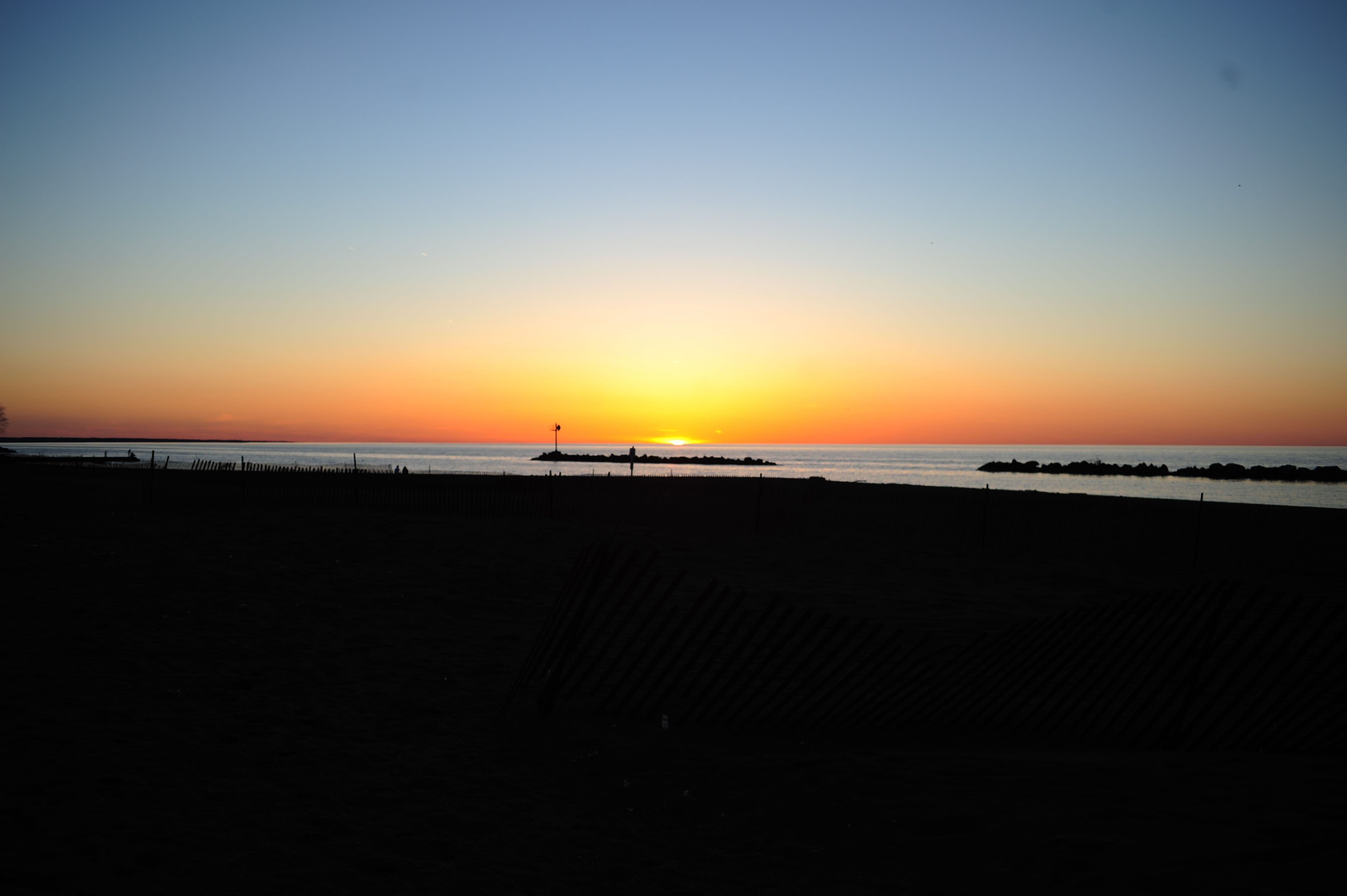
Everyone is familiar with the four seasons. Depending on where one lives, the seasons can bring dramatic changes in temperatures and amounts of daylight in some locations and in other locations, not so much, but still enough to be noticeable to most. Still, for all of our familiarity with them, many people still ask the same question: why do we have seasons, anyway?
Short answer: it’s all about Earth’s tilt. For the longer answer, read on.
The reason that we have seasons is that Earth is tilted on its axis at 23.5 degrees. As the Earth goes around the Sun, either hemisphere will be tilted more toward/away from the Sun at different times of year. Additionally, if the Northern Hemisphere is tilted toward the Sun, The Southern will be tilted away from it. This is why the seasons in the two hemispheres are always opposite one another.
The four big days in terms of the seasons are the days that mark the seasonal changes: the Summer and Winter Solstices and the Vernal (spring) and Autumnal Equinoxes. Because these dates mark a change in the seasons, they are especially significant in Earth’s relation to the Sun.
The Winter Solstice is this week and is the day that one’s hemisphere is tilted most away from the Sun. As a result, the Sun will take its shortest and lowest path through the sky, resulting in the shortest day of the year. Following the Winter Solstice, the days will get longer, almost imperceptibly at first, but then within increasing rapidity until the Vernal (spring) Equinox, and the first day of spring, arrives. The term ‘equinox’ actually means ‘equal night’ and is only one of two days in the entire year where the day and night are both exactly 12 hours long and where the Sun will rise due East and set due West. In terms of the Sun’s path, it exactly splits the difference between its highest and lowest arcs through the sky. Following the Vernal Equinox, the days will continue to grow rapidly longer but the lengthening of the sunlight will start to slow as the Summer Solstice approaches. On the Summer Solstice, the Sun takes the longest, highest path through the sky as the observer’s hemisphere is tilted most toward the Sun, resulting in the longest day of the year. Following the Summer Solstice, the days will start to shorten, very slowly at first but then with increasing speed, as the Autumnal (fall) Equinox approaches. On the Autumnal Equinox, the day/night will again be exactly 12 hours long and the Sun will again contact the horizon due East/West as it exactly splits the paths it takes through the sky on the solstices. From the Autumnal Equinox, the amount of daylight will rapidly decline, gradually slowing until, once again, the Winter Solstice arrives.
Now for some fun: it’s possible to figure out exactly how high the Sun will be at local noon when it is exactly due South in your sky on either solstice or equinox by using a simple formula.
First, find the latitude of your location. Latitude known, simply subtract your latitude from 90 to find the maximum solar elevation on an equinox. For our purpose, we’ll assume a latitude of 40N, which corresponds to Philadelphia in the Eastern and Salt Lake City in the Western United States. So, 90-40 is 50, which means that, on an equinox, the Sun will attain a maximum elevation of 50 degrees at 40N latitude. For the Summer Solstice, add 23.5 to 50 for a maximum solar elevation of 73.5 degrees. For the Winter Solstice, subtract 23.5 from 50, giving a maximum solar elevation of only 26.5 degrees.
It is for these two reasons: (1) the incoming angle of sunlight and (2) the length of the Sun’s path through the sky that make summer hot and winter cold in many areas on Earth, especially the farther you go North/South from the Equator. If you live around the 40N latitude, you know that your seasons change dramatically though the course of the year.
For confirmation, go out near local noon on a sunny day near an equinox and the solstices and note how long your shadow appears. For more fun, capture a snapshot of your shadow on each of these three days and, once the set is complete, put them in a slideshow and compare. The difference will be very, very obvious.
So there they are: the reasons for seasons.
Other Items of Note
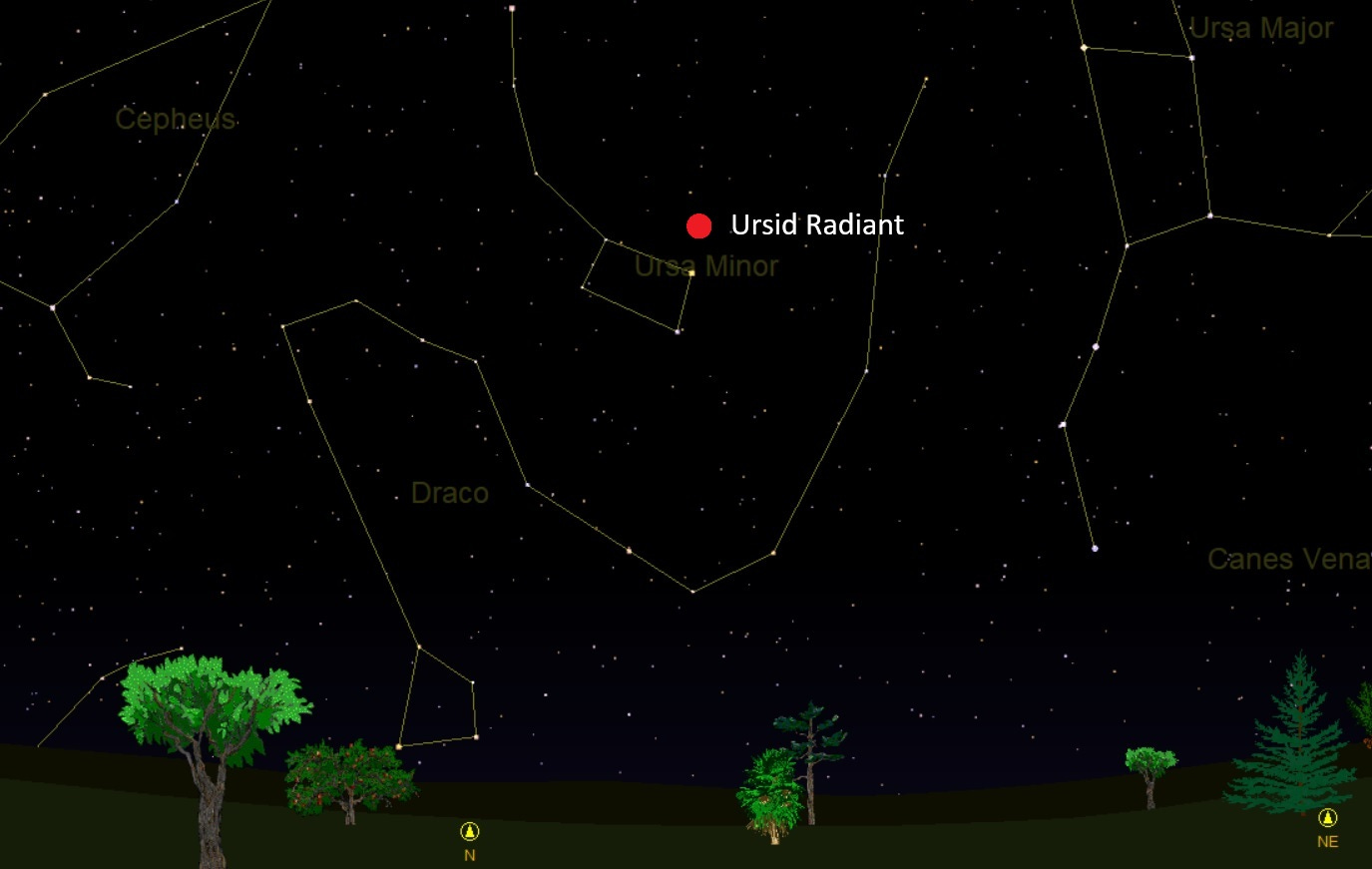
On Monday, the Ursid Meteor Shower will come to a peak. Unlike the Geminids, which peaked last week, the whole idea of a ‘peak’ for the Ursids is very relative. Why? Even at maximum rate, only about 10 meteors per hour to be expected. The meteors originate from the constellation of Ursa Minor, specifically at a point near Kochab, which could be the Little Dipper’s spout.
Wednesday and Thursday mark Christmas Eve and Day. For many of us, these two holidays (and for some of us the days surrounding them) mark days off of work, which makes this a great time to try the Vega/Deneb double challenge since there won’t be any need to worry about a regular bed/wake time these days.
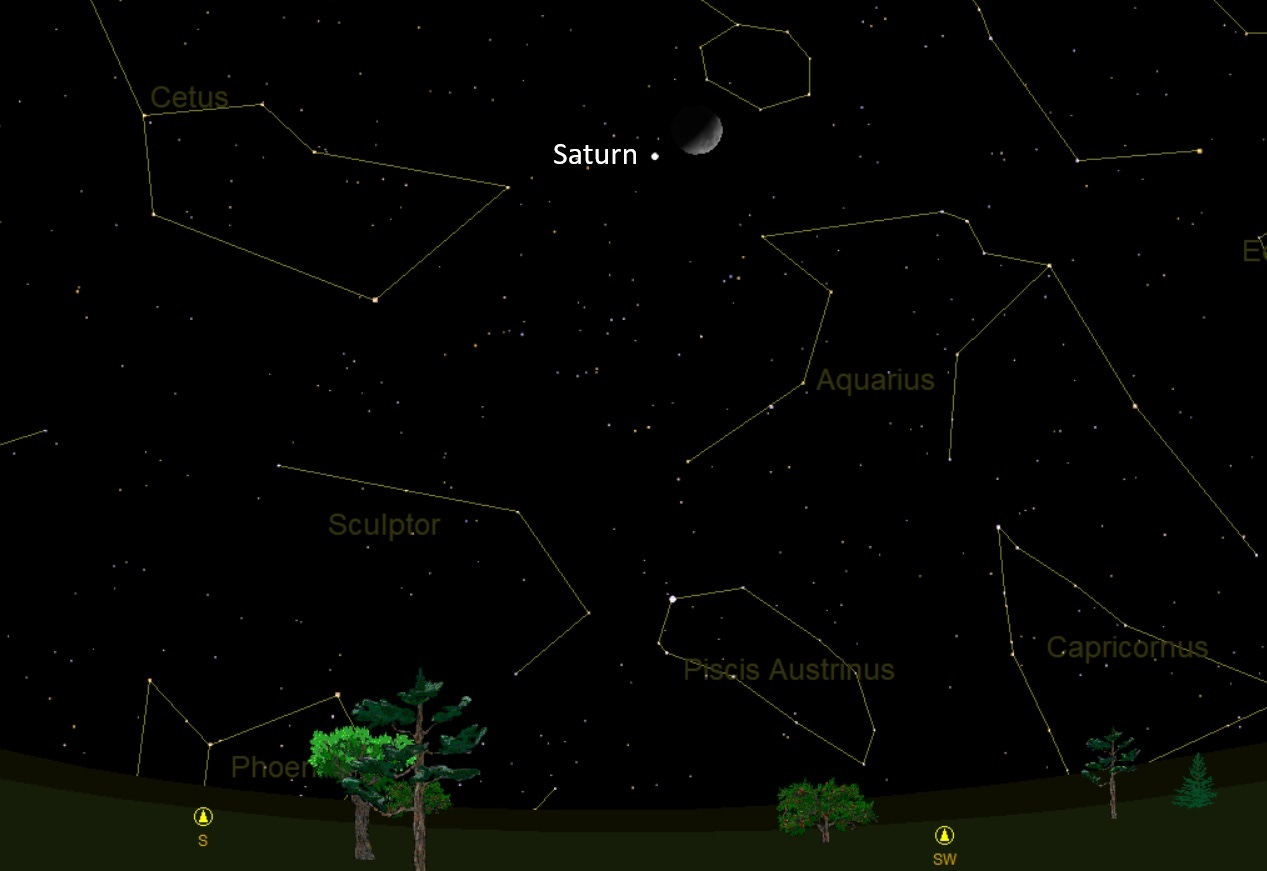
On Friday, the almost First Quarter Moon will be right next to Saturn in the South-Southwest sky as dark arrives. No optical aid is required, but said aid will make the experience much more memorable if you have access to it!
Clear skies to all!